Celebrating Sr. Mary Margaret’s Feast Day

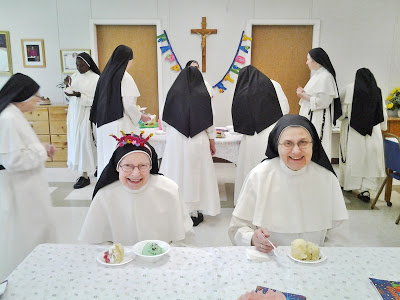
If you\’re thinking, “Wait, isn\’t St. Margaret of Hungary\’s feast day on January 18?” you would be right. However, since January tends to be a busy time–what with the New Year and Epiphany and all–Sister thought it would be more appropriate to have her feast day at another time of the year. We’ve had other prioresses do this too–notably, Sr. Mary John, whose feast day was December 27th, but who often celebrated either on Mother’s Day (as our spiritual mother) or sometimes the Nativity of John the Baptist (June 24). So, like so many things in religious life, we have a precedent and a tradition!

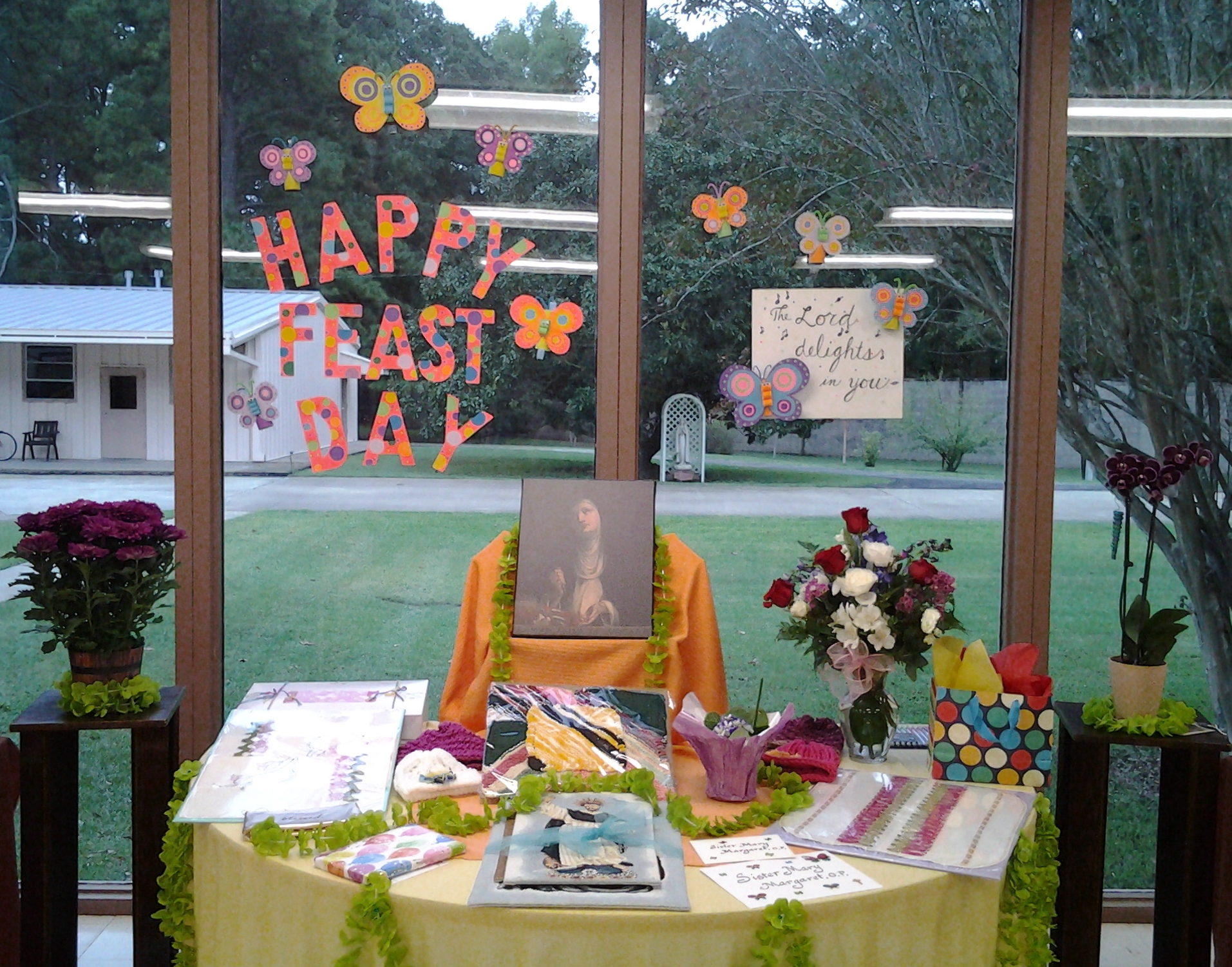
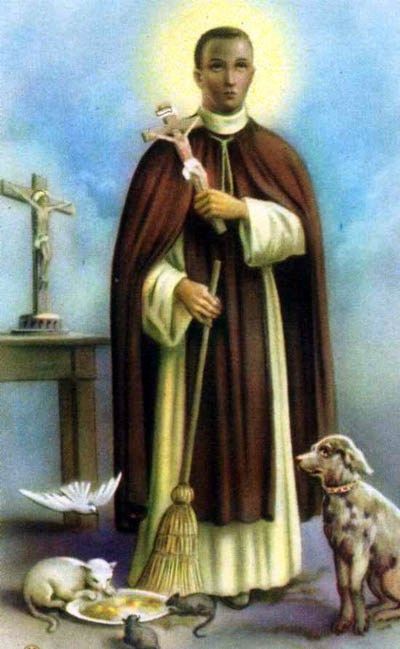
Part of the feast day table (gifts, etc.) Notice the picture of St. Margaret of Hungary in the middle!
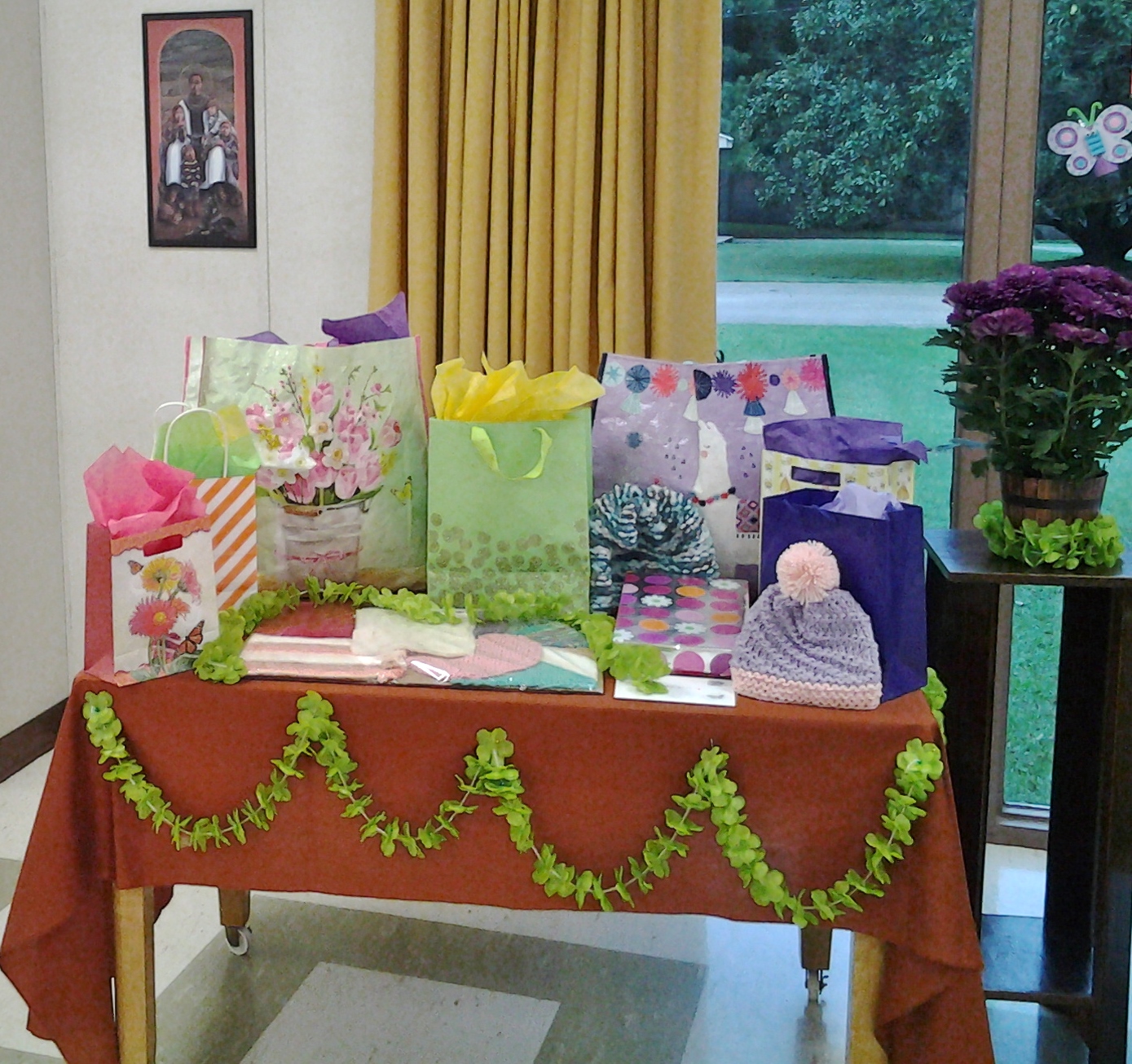
Left side of feast day table (when you are facing it)
Right side

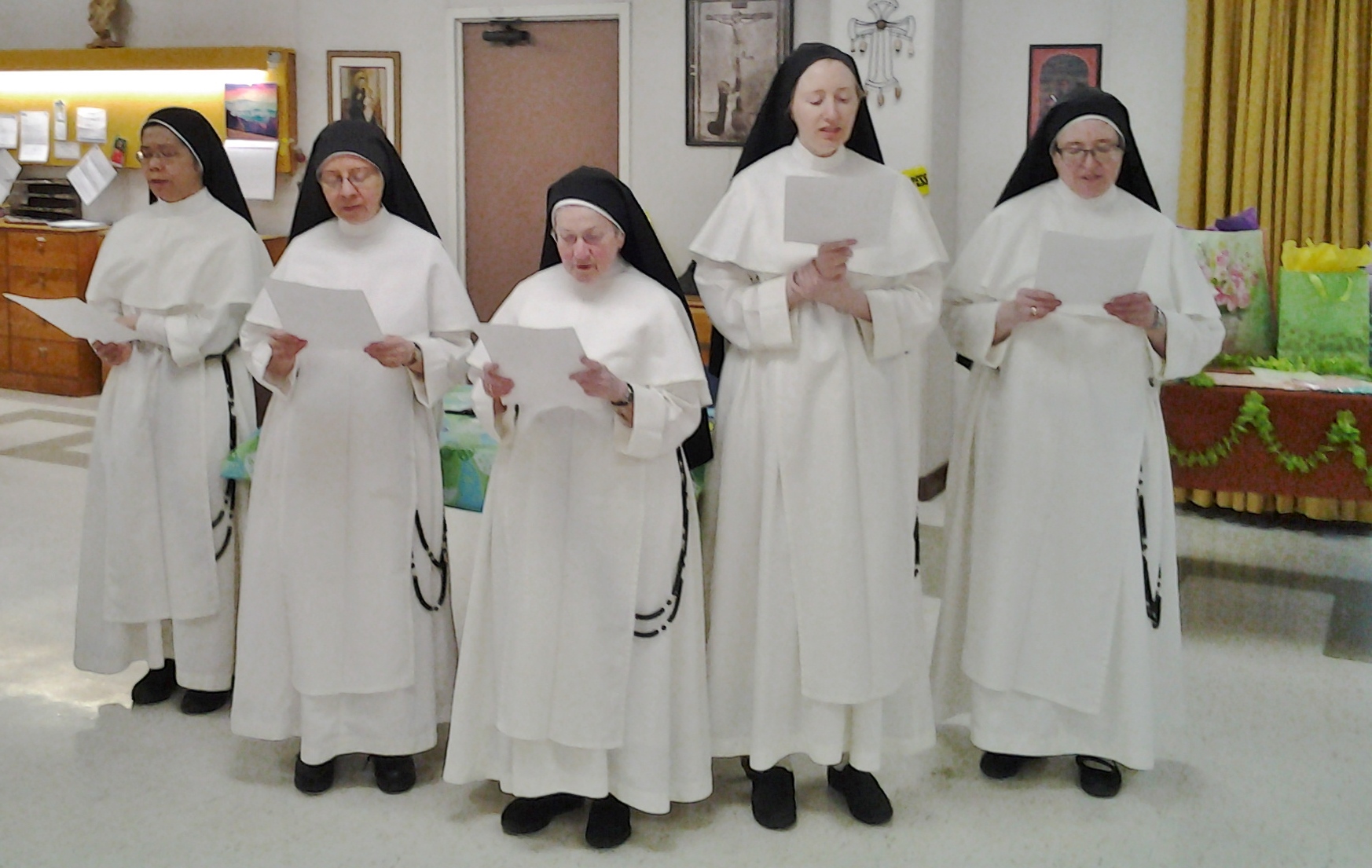
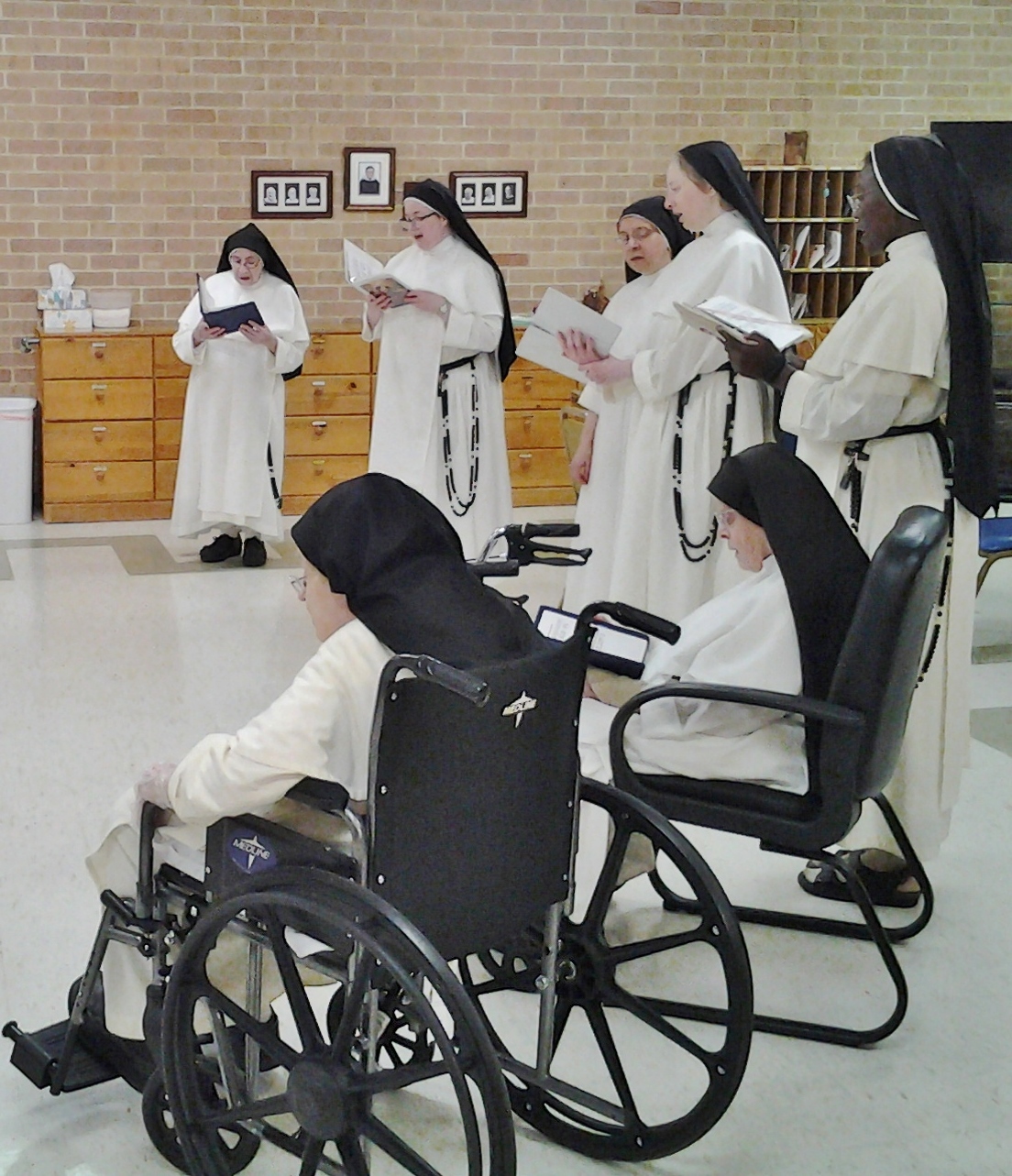
We began with the feast day song, a musical retelling of Sr. Mary Margaret’s many adventures and accomplishments over the past year. It was written by one of the sisters and set to a familiar tune.

Sister seemed to enjoy it a lot!

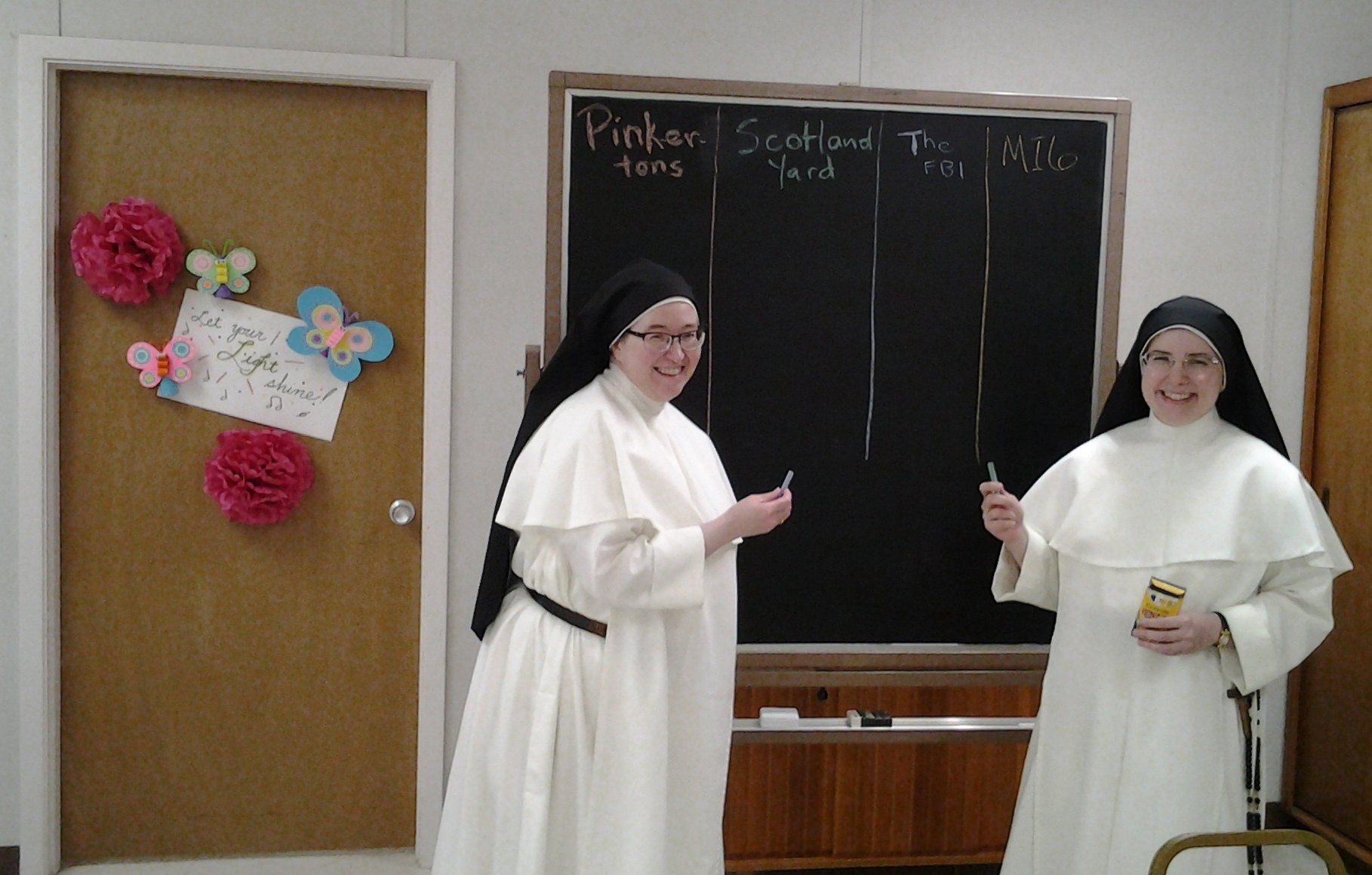
Then, we played games all morning. They had a “mystery” theme at Sister\’s request.

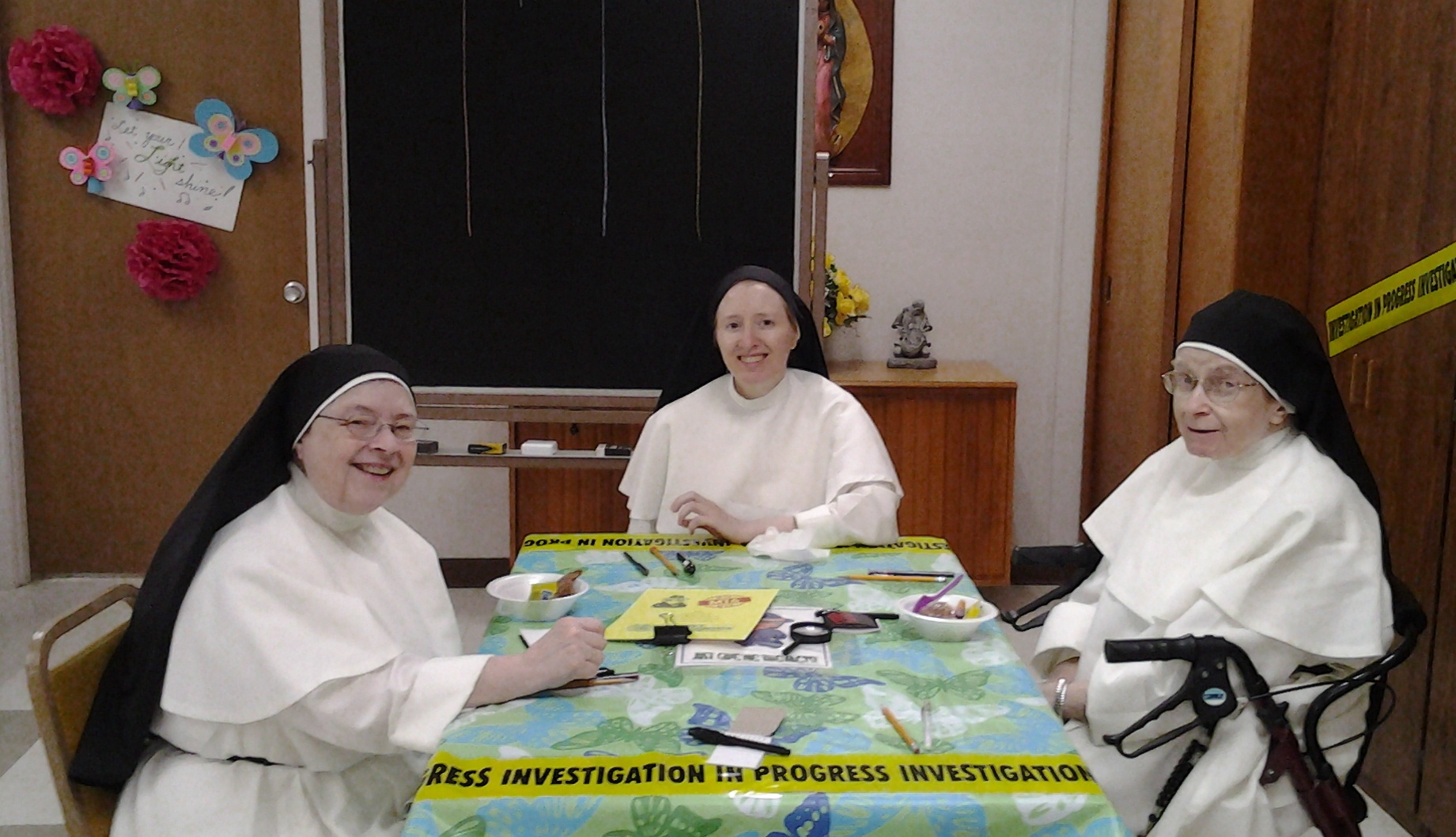
The community was divided into four teams, three of which are pictured here. Sr. Mary Rose (right) supervised and kept score.

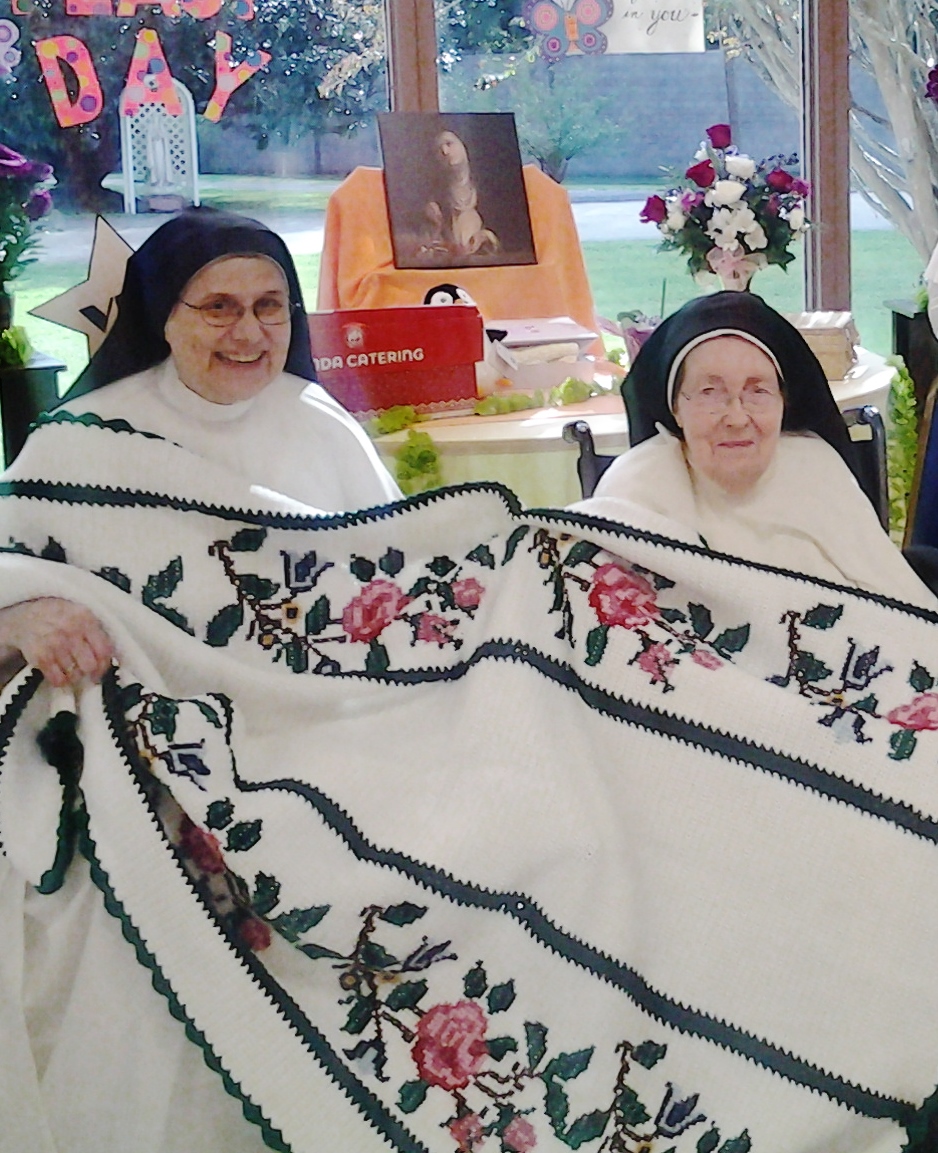
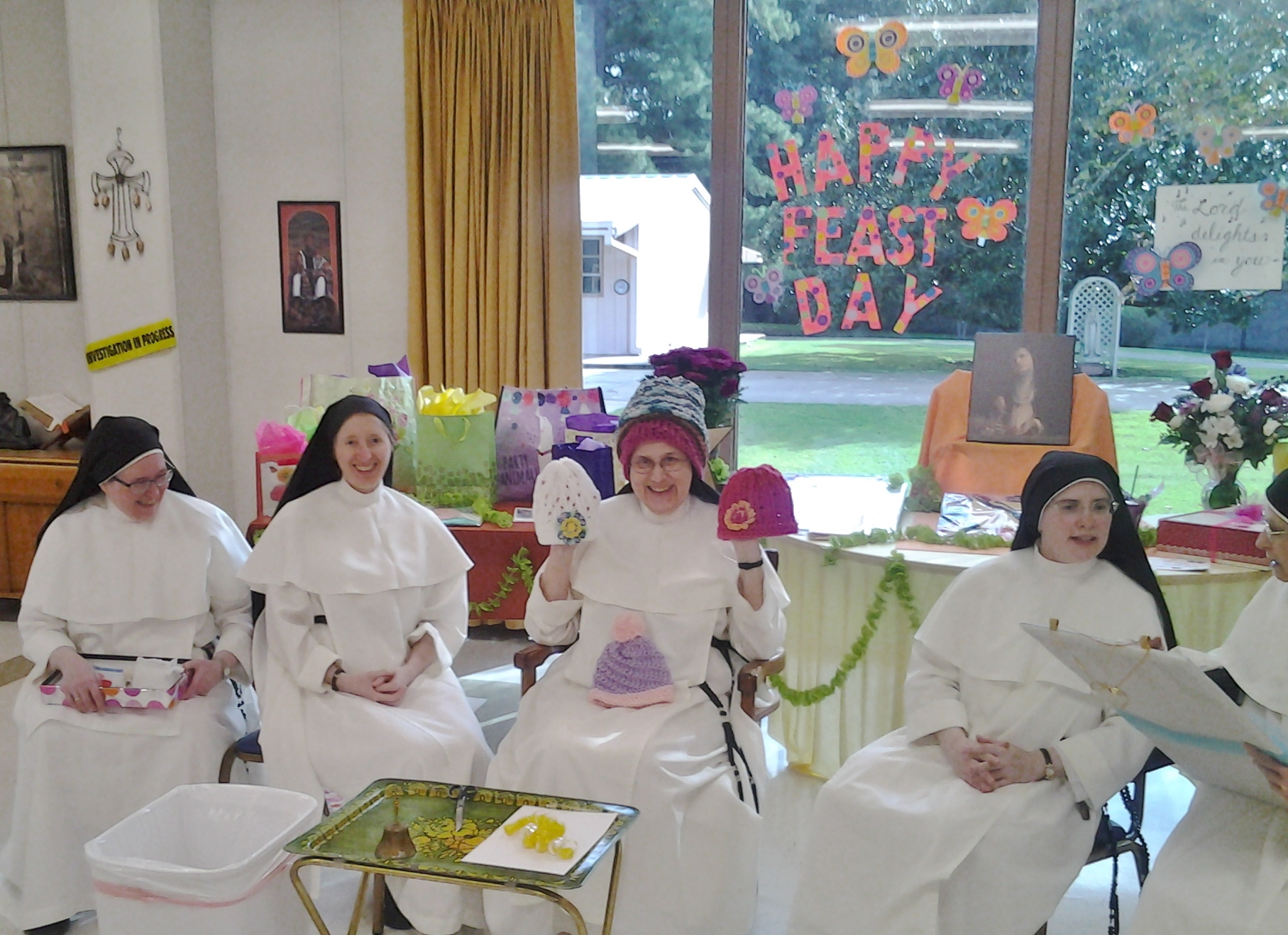
In the afternoon, Sister opened her many gifts. The vast majority were hand made by the sisters. Possibly some future raffle prizes?

As Sister opened her gifts, we passed them around the circle so all could admire them.

It was a delightful and fun-filled day, ending with a skit and more mysterious games in the evening. We also saw a movie on the two evenings before and after the actual day (Friday and Sunday), so we had a triduum of celebrations for Sister!

Thank you for everything you do, Sister, and for everything you are! May God continue to bless you abundantly, and all our community, too!

Happy Feast Day To You!

We\’ve had a lot of feast days to celebrate recently–the Archangels, St. Therese, the Guardian Angels, and Our Lady of the Rosary. So, how do we celebrate?

Some things are subject to change depending on circumstances. For example, we currently have a generous cook who makes whatever the feast day sister wants for dinner and supper on the big day (within reason, of course!). The novitiate sisters often have a little party when one of their own celebrates her feast day. And all the sisters receive cards, small gifts, prayers, and other tokens of affection from the other sisters.

And, we sing a song of the feast day sister’s choice at recreation! This is actually a big deal because sisters often choose songs we don’t sing at Mass–and therefore sing rarely. We all stand in a circle for the song. Before COVID-19, the feast day sister went around the circle to embrace each sister, but we put that on hold for the time being. Still, we are happy to be a part of the community and to have a group of sisters to support us in good times and bad.

As another song we never sing at Mass goes, “the best things in life are free”!

Feast of Our Lady of the Rosary

Yesterday was the beautiful feast of Our Lady of the Rosary, dear to Dominicans everywhere because of our great devotion to the Holy Rosary. This feast is also known as “Our Lady of Victory”, because on this date the Christian forces of Europe under the command of Don Juan of Austria defeated the advancing Muslim army in the battle of Lepanto. Pope St. Pius V, a Dominican priest who became Pope, asked for all Christians to pray the rosary for victory, and through this prayer Don Juan\’s forces were victorious.

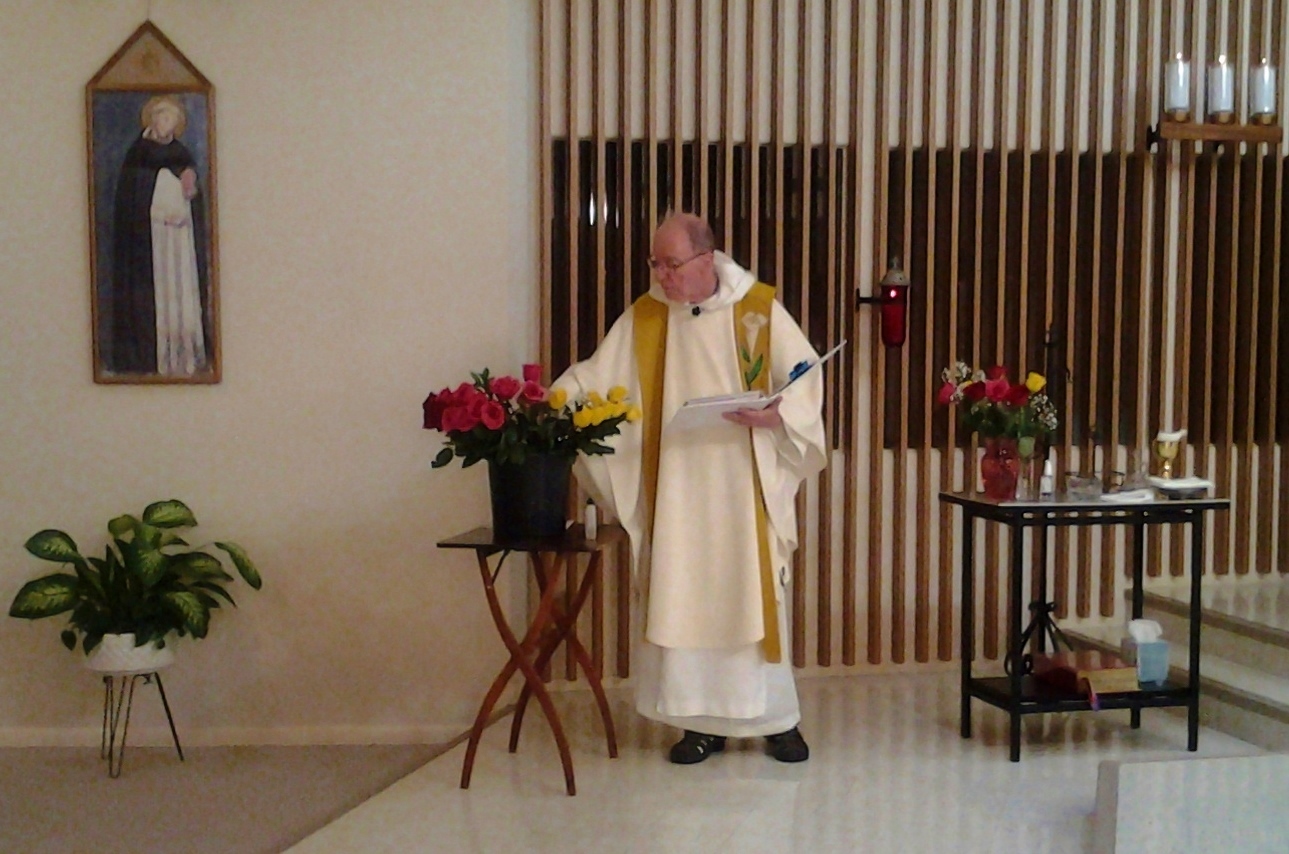
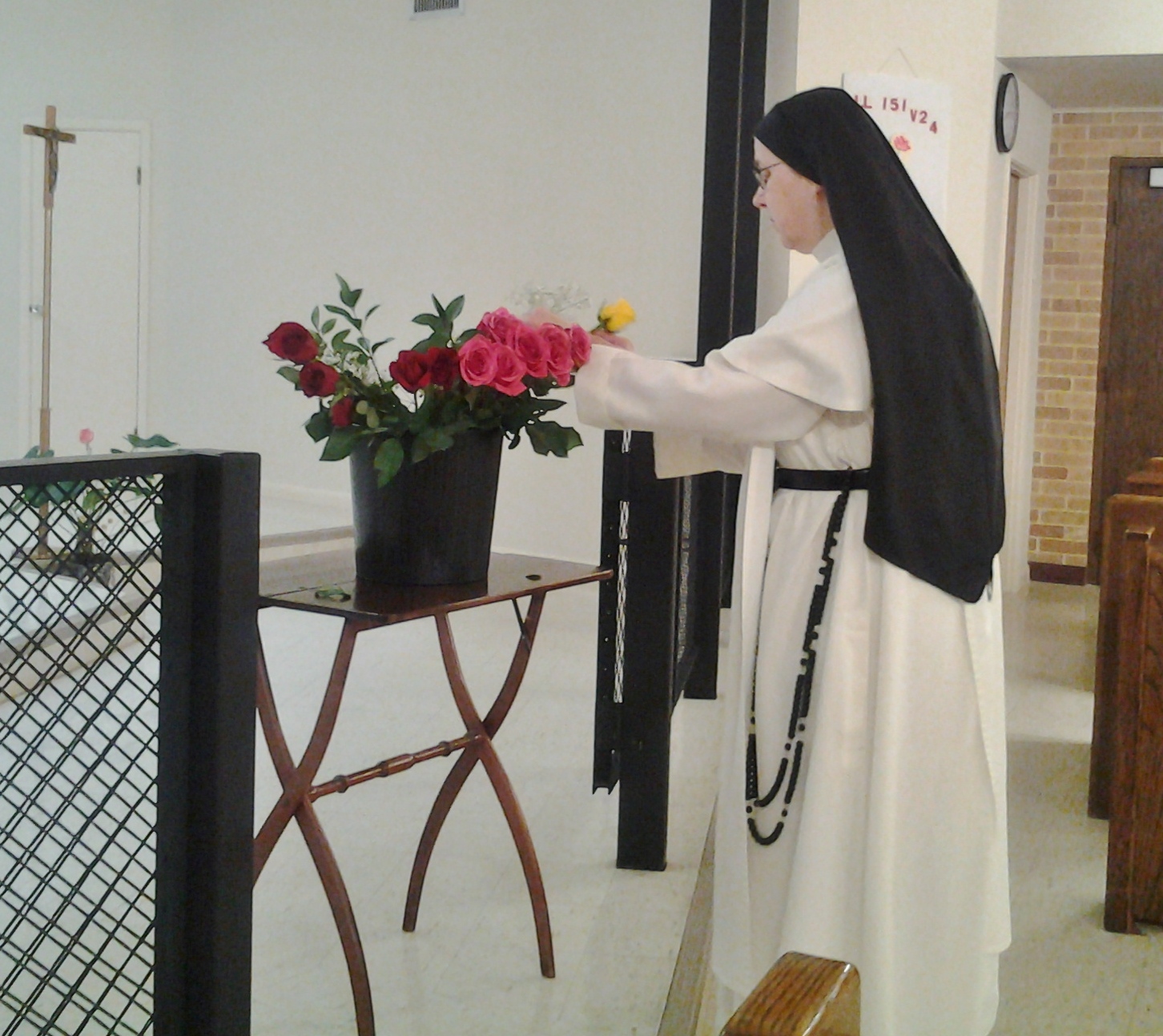
At many Dominican houses, it is the custom to bless and distribute roses on this feast, and our chaplain, Fr. John Lydon, OP, has been doing this.

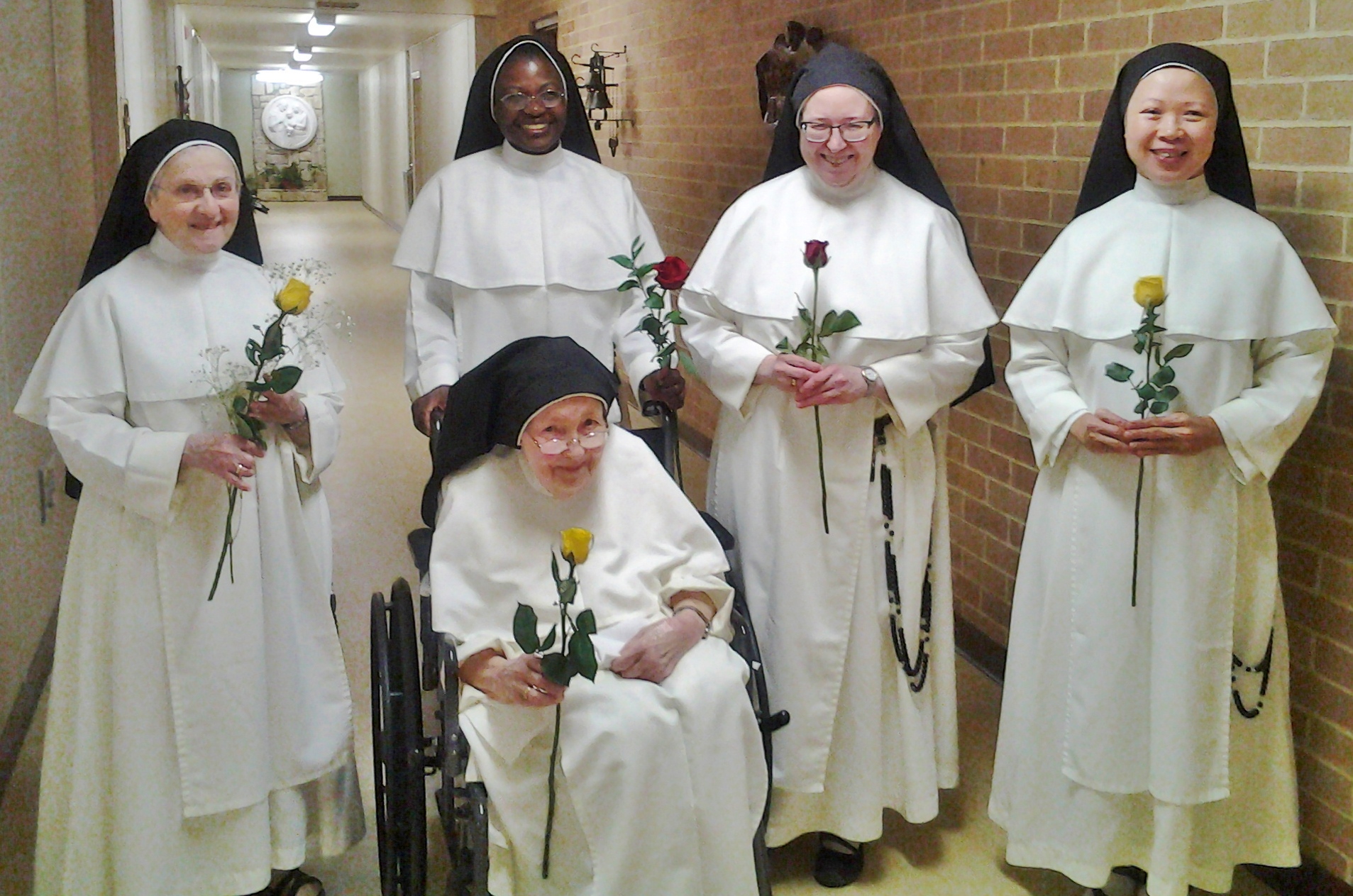
Father invited the people attending our Mass and us, too, to select a blessed rose to take with us.

We thank Father for the roses he so graciously blessed, and for his beautiful Mass, too!

New International Website for the Dominican Nuns!

We\’re super excited to announce the launch of this website! And many, many thanks to our fellow American Sr. Mary Magdalene, OP who put it all together! Please continue to read the official press release, which has all the details:

Dominican Nuns Launch First International Website


Summit, New Jersey–The Nuns of the Order of Preachers, commonly known as the Dominican Nuns, launch their first international website, www.monialesop.org, in order to make their mission of prayer within the heart of the Order of Preachers better known.

St. Dominic de Guzman founded the Nuns of the Order in 1206, ten years before the friars were founded in 1216, when we gathered together nine women who were converts from the Cathar sect to the Catholic Faith at the Monastery of Notre Dame de Prouilhe in Southern France. From the very beginning St. Dominic associated the contemplative nuns to the mission of the Order to preach the Gospel for the salvation of souls through their lives of prayer and penance. 

According to tradition it was at this monastery that St. Dominic received the Rosary from Our Lady in 1208, although there are no historical documents to prove this oral tradition. 

Although each Dominican monastery is autonomous, the Dominican nuns are bound together by a common Rule and Constitutions and their profession of obedience to the Master of the Order of Preachers, which is unique among the contemplative orders of nuns.

The new website www.monialesop.org is in the three official languages of the Order of Preachers: English, French and Spanish. Readers can learn about the different elements that make up the contemplative life of the Nuns and the particular way the contemplative nuns participate in the preaching mission of the Order. 

There is an interactive map where one can any monastery in the world. Links to individual monastery websites as well as contact information can easily be found.

There is a resource page featuring various articles about the nuns’ charism as well as back issues of Monialibus, the international bulletin of the nuns. 

Although the Nuns of the Order were always listed on the main website of the Order of Preachers, the information was very difficult to find. Sr. Lioba Hill, OP, of the Monastery of Our Lady of Prouilhe, France, representative of the French monasteries on the International Commission of Nuns, proposed the idea of a website totally dedicated to the nuns. 

Sr. Mary Magdalene, OP, Monastery of Our Lady of the Rosary, Summit, NJ was commissioned to create the website. Despite the challenges of language, nuns from all over the world collaborated with Sr. Mary Magdalene making the website a fruit of sisterly communion on an international level.

There are approximately 2500 nuns in 190 monasteries in five continents of the world. 

Happy 80th Birthday, Sr. Maria Cabrini!

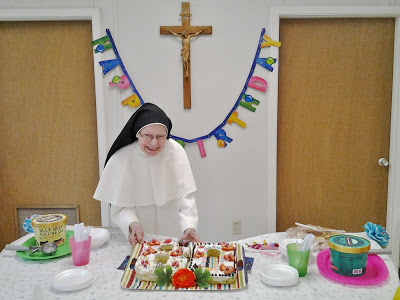
Sr. Maria Cabrini with her special “80” cake

We wish Sr. Maria Cabrini a very happy 80th birthday, and may she live many years to come!

Readers of this blog may recall that we only begin to celebrate birthdays when a sister turns 80 (we usually celebrate feast days instead). We have a party on a sister\’s 80th birthday, and cake and ice cream for dessert on subsequent birthdays–unless the sister is lucky enough to turn 90, or 100, and then we have another party!

Although this may seem unfair, it really does work out well for everyone–because we all get to eat cake and ice cream along with the birthday sister!

The birthday girl with Sr. Mary Margaret, our prioress. Note the happy sisters picking up their cake and ice cream in the background!

Everything Appropriate To Its Time

205 Pocket Watch Drawing Illustrations, Royalty-Free Vector Graphics & Clip  Art - iStock

In today’s reading from Ecclesiates, Qoholeth (or Solomon) says, “I have considered the task that God has appointed for the sons of men to be busied about. He has made everything appropriate to its time, and has put the timeless into their hearts, without man\’s ever discovering, from beginning to end, the work which God has done.” In other words, our job is to concentrate on the work we have to do int he present moment, without being concerned for the future known only to God. It’s hard to live this concept, though! Especially right now, when our society is turned upside-down by worries of all kinds, particularly the coming national elections and the pandemic.

In The Screwtape Letters, C.S. Lewis\’ famous epistolary novel composed of letters from an experienced tempter to his young nephew trying to steal a soul from God for the first time, this crisis of the future is  neatly summed up:

Your patient will, of course, have picked up the notion that he must submit with patience to the Enemy’s will. What the Enemy means by this is primarily that he should accept with patience the tribulation which has actually been dealt out to him–the present anxiety and suspense. It is about this that he is to say, “Thy will be done,” and for the daily task of bearing this that the daily bread will be provided. It is your business to see that the patient never thinks of the present fear as his appointed cross, but only of the things he is afraid of. Let him regard them as his crosses: let him forget that, since they are incompatible, they cannot all happen to him. (from Letter VI)

C.S. Lewis goes to on explain the state Screwtape hopes to see his nephew’s “patient” in: a fog of confusion wherein he is constantly thinking, “If A happens, I can do B; if B happens (and I hope not!), I can do C; if A and B both happen (unlikely, but who knows?) I could always do D, and if everything else fails there is always E or F.” While this may sound like common prudence, it isn’t. The best thing we can do is simply place our lives, our very selves into God\’s hands, and let Him be about His business day by day.

Screwtape continues to his nephew Wormwood:

To be sure, the Enemy wants men to think of the Future too–just so much as is necessary for now planning the acts of justice or charity which will probably be their duty tomorrow. The duty of planning the morrow’s work is today’s duty; though its material is borrowed from the future, the duty, like all duties, is in the present….He does not want men to give the Future their hearts, to place their treasure in it. We do….We want a man hag-ridden by the Future–haunted by visions of an imminent heaven or hell upon earth–ready to break the Enemy’s commands in the Present if by so doing we make him think he can attain the one or avert the other. (from Letter XVI)

We all fall prey to this temptation to one degree or another. We avoid it by placing our trust in God and His perfect timing day by day, moment by moment. Our Lord told us, “Sufficient unto the day is the evil thereof.” We have enough to occupy ourselves in the present without worrying about the future. Let us take concrete action at the appropriate time: voting in the election, wearing a mask and taking other precautions when we go out, whatever is needed in the moment. God will give us the grace we need in every trial, but He will only give it when the trial comes.

The White Scapular

During our retreat, Fr. John Sica, OP reminded us of a few things characteristic of Dominicans that we thought might be interesting to highlight here on the blog. One of these is the Dominican “white scapular”.

People sometimes ask us, anxiously, if we are wearing a brown scapular. This refers to the Carmelite brown scapular and its famous promise that those who wear it will be delivered from Purgatory by our Blessed Mother after they die.We usually smile and say, “No, but I am wearing a white scapular.”

“It’s not the same,” they insist. “The brown scapular is the only one that can save you.”

There\’s nothing wrong with wearing the brown scapular if it inspires you to lead a better life, go to Confession regularly, and have a devotion to Mary. But no mere scapular, white, brown, green, or any other color, is a Get Out Of Purgatory Free ticket.

That being said, why do Dominicans wear a white scapular?

A scapular was originally a kind of work-apron, meant to guard the habit from wear and tear and stains. So when St. Dominic began founding the Order, he had his new followers wear a habit like his, which happened to be the habit of the Augustinian canons: a white habit with a white hood (capuce) and a belt, and shoes (sandals are permitted today). There was no scapular, because they weren’t planning to do a lot of manual work. Their work would be intellectual.

And then Blessed Reginald of Orleans came on the scene.

Reginald was a priest and a canon lawyer before he met Dominic in Rome, in about 1218. He was dissatisfied with his somewhat worldly life and wanted something more, and had long conversations with Dominic about the new Order of Preachers. Still, he remained undecided until he fell extremely ill. One evening, as he lay on his sickbed, he had a dream in which the Blessed Virgin Mary came to him and anointed him. Holding out a Dominican habit, she also told him that if he put on this garment he would be saved. Our Lady’s version of the habit included a white scapular. When Reginald awoke, he was completely cured. He entered the Order and received the habit–with the white scapular added. And Dominicans have worn this white scapular ever since. (Usually with hands neatly tucked under.)

So, Our Lady plays a big part in the Dominican devotion to the white scapular, which (unlike most work aprons) is formally blessed when a brother or sister makes profession. Sometimes Dominicans even say (modestly) that the Dominican habit is special because it was a particular gift from Mary.

But why don’t Dominicans go around promoting the white scapular? Well, as we mentioned above–it\’s a part of the habit. It is also given to members of the Dominican Laity when they make profession as a sign of their part in the Order. It doesn’t carry any universal promises of blessings for the general public.There are other white scapular out there in Christendom that may carry such promises with them, but not the Dominican scapular.

If you are interested in a Dominican devotion that does carry promises, we highly recommend the Rosary. But that’s a huge topic! Maybe we\’ll look at that another time…